

How to Store an RV in Arizona Summer Heat
An RV parked outdoors through an Arizona summer takes a beating that owners in cooler states never see. Roof surfaces can push past 160 degrees, tires dry-rot from the side, and seals crack months ahead of schedule. This guide walks through exactly how to store an RV in Arizona heat so it comes out of summer ready to roll, then shows where covered storage does the heavy lifting for you.
Why Arizona summer heat is so hard on a stored RV
Arizona summer heat damages an RV through three forces at once: direct UV, surface temperature, and thermal cycling. A roof membrane sitting in full West Valley sun can reach 160 degrees Fahrenheit while the air reads 110. That gap is where the damage starts.

UV breaks down the roof membrane, decals, and rubber gaskets. Heat softens sealants and bakes tire sidewalls. The daily swing from 110 in the afternoon to the 80s overnight expands and contracts every seal, loosening the bond a little more each day.
The parts that fail first are predictable: tires, roof and window seals, house and chassis batteries, and anything soft inside the cabin. Knowing the failure order tells you where to spend your prep time.
Summer in the West Valley adds two more hazards on top of the heat. Blowing dust works into vents and seals, and monsoon storms bring wind, rain, and the occasional hail between July and September. Prep that handles heat should account for those too.
How to protect an RV from the Arizona sun
The single most effective way to protect an RV from the Arizona sun is to keep it out of direct sunlight. Shade cuts roof surface temperature, slows UV breakdown of seals and decals, and eases the daily thermal swing that loosens sealant.
You have three layers of sun defense, and stacking them works best:
- Shade first. A covered space or a quality cover blocks most UV before it ever reaches the roof and sidewalls.
- Protect the tires. Sidewalls crack from UV long before the tread wears out. Tire covers or a shaded space slow that dry-rot.
- Treat the seals. A UV-rated protectant on rubber gaskets and slide seals keeps them pliable through the summer.
If you store uncovered, a breathable RV cover made for high-UV climates matters more than the fabric weight. A tight, non-breathable tarp traps heat and moisture against the roof, which does more harm than the sun it blocks.
Step by step: prepping your RV for summer storage
Work through these steps before you park the rig for the season. Each one targets a specific heat failure, and the whole list takes an afternoon.
- Wash and inspect the roof. Clean off dust and bird debris, then check every seam. Reseal any cracked caulk before storage, because summer heat will open a small gap into a leak.
- Treat and cover the tires. Inflate to the sidewall rating, wipe on a UV protectant, and add tire covers. Move the rig a few inches every month or two if you can, so one spot does not carry the load all summer.
- Pull or tend the batteries. Arizona heat kills batteries faster than cold does. Disconnect them, or use a smart maintainer, and store them out of direct sun.
- Manage the fluids. Top off the fuel and add stabilizer, keep the coolant at the correct mix, and drain the fresh and waste water tanks so nothing sits and festers.
- Empty the tanks at the dump station. Drain gray and black tanks fully so heat does not bake residue into the lines and turn into odor and clogs.
- Ventilate and pest-proof the cabin. Crack roof vents under their covers, set out moisture absorbers, and seal entry points against the rodents and scorpions that seek shade inside a parked rig.
Draining the tanks is where a free dump station earns its keep. Every El Mirage RV & Boat Storage tenant gets dump station access at no extra charge, so you can empty the rig on your way in without a detour or a fee.
Covered vs uncovered storage in the heat
Covered RV storage is the strongest single defense against Arizona summer heat because it blocks UV and drops roof surface temperature all day, every day, with no cover to wrestle on and off. Uncovered storage works too, as long as you commit to a good cover and tire protection.
A common question is whether you still need an RV cover inside a covered space. In most cases you do not. The roof of a covered space already blocks the direct overhead sun that does the worst damage, so a separate cover is optional rather than necessary.
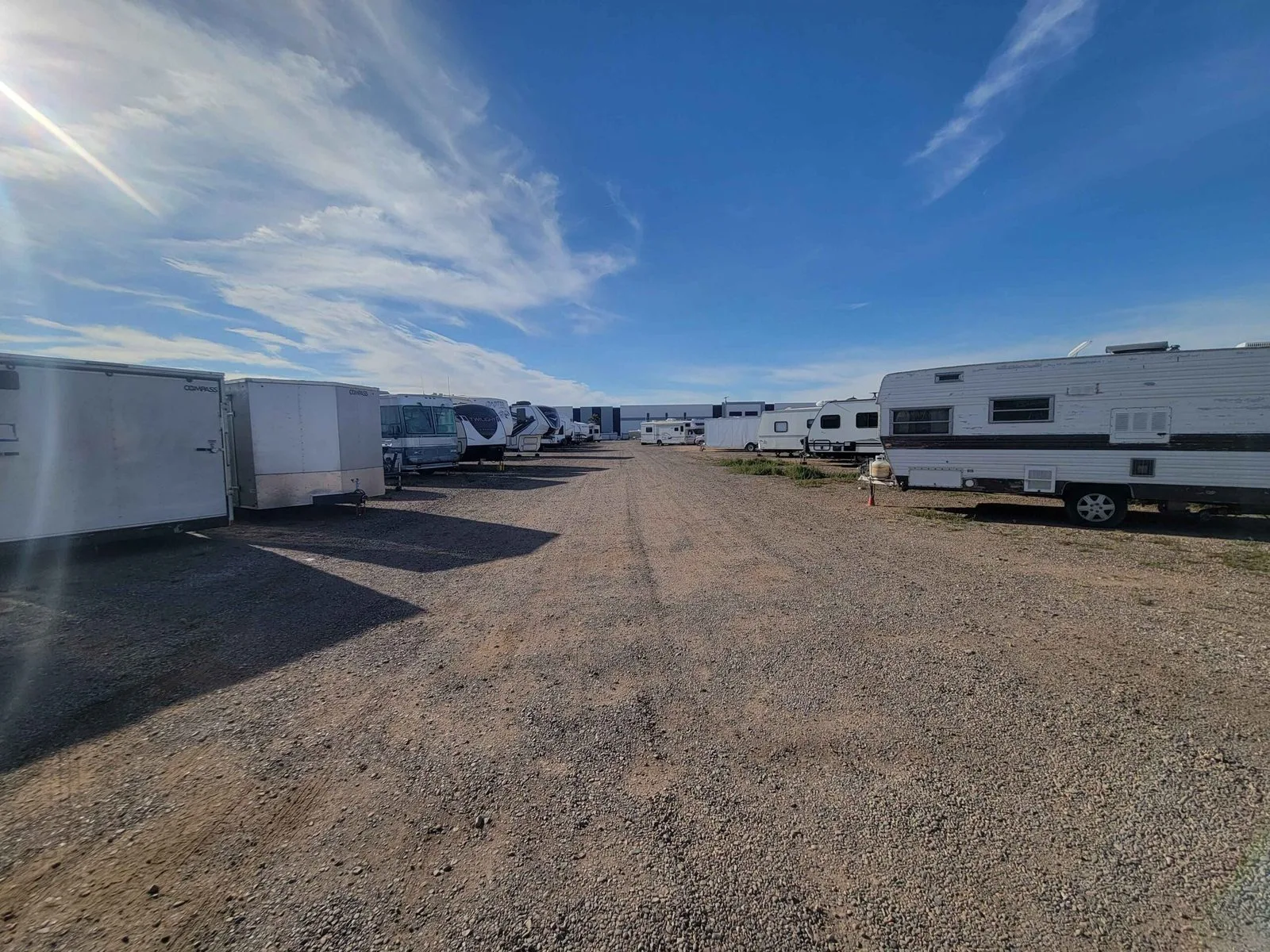
Covered space at El Mirage RV & Boat Storage comes in 12×30 and 12×40, sized for most RVs and boats. Uncovered spaces run from 10×20 up to 12×40 with pull-through access for big rigs. The size chart lays out what fits in each space so you can match your rig before you reserve.
Keeping the interior cool and pest-free in storage
You cannot air-condition a stored RV, but you can keep the interior from cooking. The goal is airflow and shade, not cold. Cracked roof vents under weatherproof covers let hot air escape instead of building up against the ceiling and cabinetry.
Reflective windshield and window shades keep the dash, upholstery, and flooring from fading and cracking. Pull fabric shades and blinds back off the glass so they do not bake against a 150-degree window all summer.
Pests chase shade in the desert. Seal gaps around plumbing and wiring, set traps, and avoid leaving food or scented items inside. Moisture absorbers help even in dry heat, since a sealed cabin still traps the little humidity that gets in.
The same prep works for a stored boat. Cover or shade the hull, protect the trailer tires, pull the battery, and keep vents cracked so heat and moisture do not build up in an enclosed cabin over the summer.
Store your RV with El Mirage RV & Boat Storage
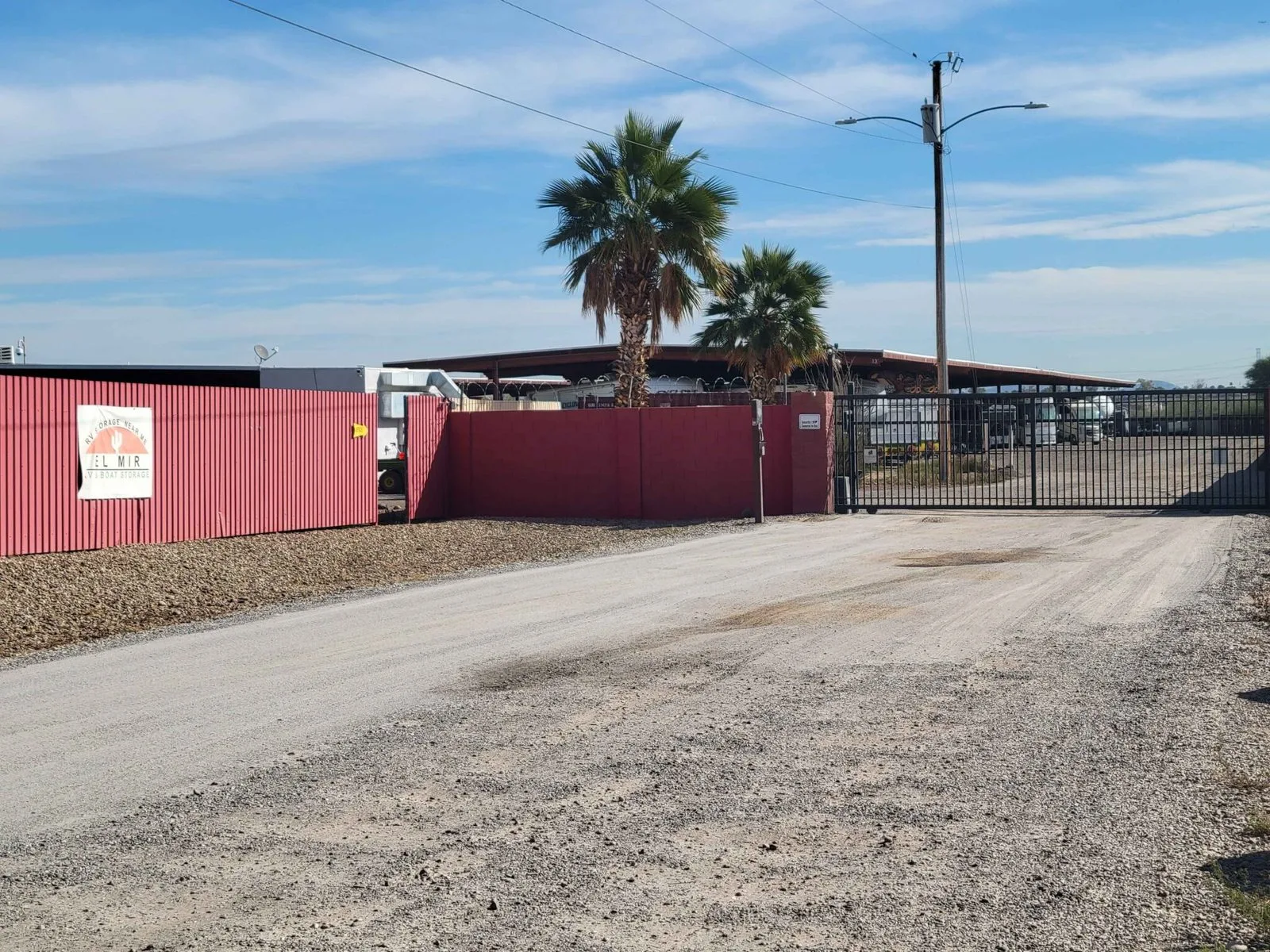
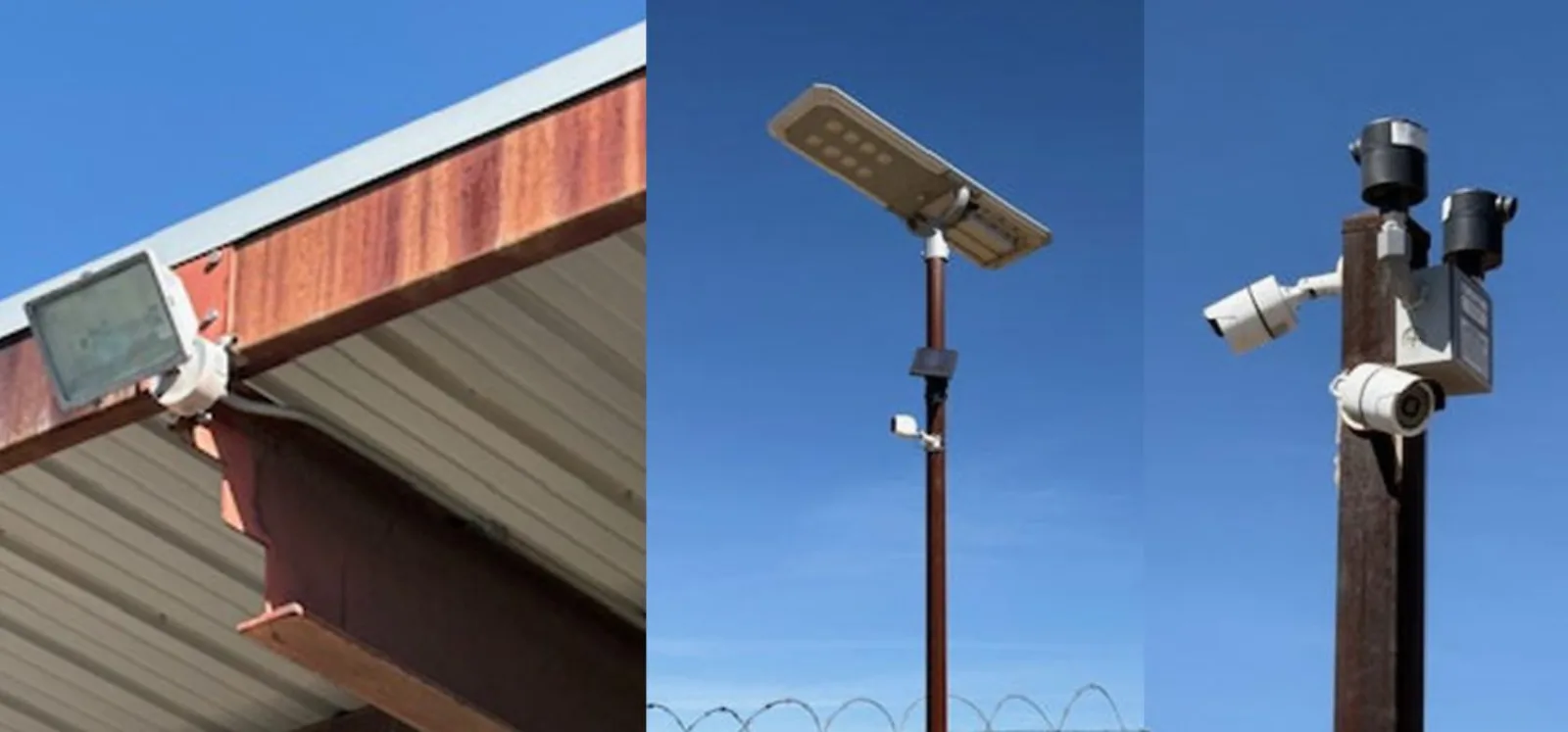
El Mirage RV & Boat Storage is a fully gated, well-lit yard with keypad entry, 24/7 camera coverage, and overnight security, rated 4.6 from 206 Google reviews. Covered and uncovered spaces, pull-through access, and a free tenant dump station make summer storage simple for West Valley RV and boat owners.
We serve El Mirage, Surprise, Sun City, Sun City West, Glendale, Peoria, and the surrounding West Valley, where most HOAs will not let you park a rig at home. Terms are month to month, so you are never locked into a long contract.
Call (623) 535-9137 or reserve your space online, and we usually confirm the same day. Not sure what you need yet? Browse the El Mirage facility or read the full storage FAQ first.
Frequently asked questions
How do you protect an RV from the Arizona sun?
Keep it out of direct sunlight with covered storage or a breathable high-UV cover, protect the tires with covers, and treat rubber seals with a UV protectant. Shade is the single most effective step because it lowers roof temperature and slows UV breakdown of seals and decals.
What temperature damages an RV?
The air temperature matters less than the surface temperature. An RV roof in full Arizona sun can exceed 160 degrees Fahrenheit while the air is 110. Sustained heat above roughly 140 degrees on the roof accelerates sealant failure, decal fading, and tire sidewall cracking.
Do I need a cover in covered storage?
Usually not. A covered space already blocks the direct overhead sun that causes the most damage, so a separate RV cover is optional. Covered storage at El Mirage RV & Boat Storage keeps the roof shaded without you having to fit and remove a cover each visit.
How do you keep an RV interior cool in storage?
You cannot cool a stored RV, but you can vent the heat. Crack roof vents under weatherproof covers, add reflective window shades, and pull fabric blinds off the glass. Moisture absorbers and sealed pest gaps keep the cabin from trapping heat, humidity, and rodents.
Should I disconnect the RV batteries for summer storage?
Yes. Arizona heat drains and degrades batteries faster than cold. Disconnect the house and chassis batteries, or keep them on a smart maintainer, and store them out of direct sun so they survive the summer.
Do I have to drain the tanks before storing an RV in the heat?
Drain both the gray and black tanks fully before summer storage. Heat bakes leftover residue into the lines, causing odor and clogs. Every El Mirage RV & Boat Storage tenant gets free dump station access, so draining is quick on your way in.
How often should I check on a stored RV in summer?
Check the rig about once a month. Inspect the tires and roof seals, verify the battery maintainer is working, and move the RV a few inches so one tire spot does not carry the load all season. Gate access runs 365 days a year for tenants.
Is covered or uncovered storage better for Arizona summers?
Covered storage is the better summer protection because it blocks UV and lowers roof temperature all day with no cover to manage. Uncovered storage still works well when paired with a breathable cover and tire covers, and it fits larger or oddly sized rigs.